
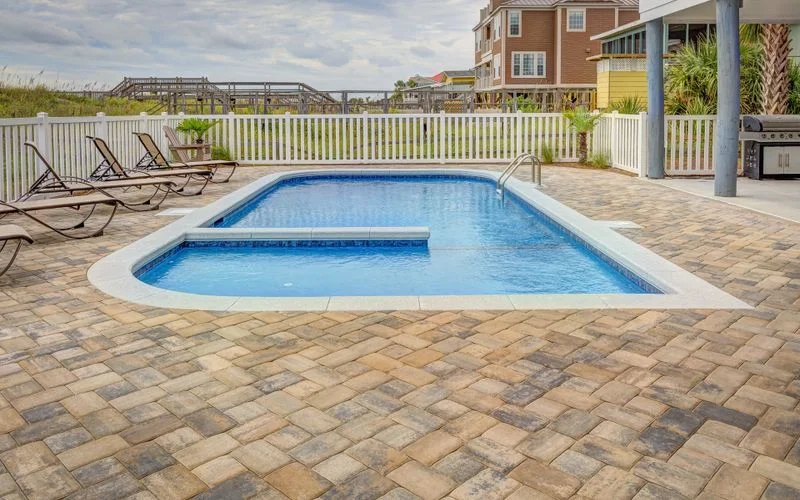
Pool fencing sits at the intersection of structural integrity and life safety. In NSW, the Swimming Pools Act 1992 and AS 1926.1 set out the requirements — and councils have the power to issue orders requiring immediate rectification if a fence doesn't comply. A failed weld isn't just an inconvenience; it's a compliance breach and a liability.
NSW Pool Fence Requirements: AS 1926.1 in Plain English
AS 1926.1-2012 (Safety barriers for swimming pools and spas) is the compliance standard referenced by NSW legislation. The key physical requirements:
- Barrier height: 1200mm minimum measured from the finished ground level on the outside of the barrier. This applies to the fence itself and to any gates in the fence line.
- Non-climbable zone (NCZ): A 900mm × 900mm zone inside the fence from ground level must be free of footholds — including pool equipment, garden furniture, and fixed objects like meter boxes. Even a horizontal rail within this zone can cause a fence to fail compliance.
- Gap requirements: Horizontal gaps between the ground and the bottom of the fence: max 100mm. Vertical gaps between fence infills (pickets, rods): max 100mm. Gate gaps: max 10mm around the latch.
- Gate self-closing and self-latching: Pool gates must self-close and self-latch from any position. The latch must be located on the inside face of the gate at least 1500mm from the ground, or be a child-resistant latch located on the outside at any height.
- No climbable objects within 300mm of the outside of the fence that could allow a child to scale the barrier.
For pools built before 1 September 2008, some transitional provisions apply but most modern pool fence inspections assess against the current standard. When in doubt, assume AS 1926.1-2012 applies in full.
Common Pool Fence Welding Failures
The pool environment is hostile to metal. Chlorine, pool chemicals, salt air (if coastal), and constant moisture accelerate corrosion. These are the failures we most commonly repair:
- Base plate/post weld failure at ground level. This is the most vulnerable point — water pools around the post base, corrosion works into the weld zone, and the post separates from its base plate. The fence may look solid from above but have no structural integrity at the base.
- Gate hinge and latch weld failure. Self-closing gates create repetitive stress on the hinge welds. A failed hinge weld means the gate won't close correctly, which is immediately non-compliant.
- Horizontal rail corrosion through. Mild steel horizontal rails in pool fences (which shouldn't be there — but legacy fences have them) rust from the inside. The weld joining rail to post is often the first failure point.
- Post-to-concrete joint failure. Some pool fences use posts welded to a base plate and core-drilled into concrete. The plate corrodes if not adequately sealed, and the weld separates from the plate before the concrete anchor fails.
- Picket weld failures on pressed-in panels. Individual picket welds to horizontal rails can separate, creating gaps that exceed the 100mm maximum.
Materials for Sydney Pool Fencing
Pool fence materials interact with pool water, cleaning chemicals, and (for coastal properties) salt-laden air. The right material depends on the environment:
Grade 316 stainless steel is the standard specification for pool fencing in most of Sydney. The molybdenum addition makes it highly resistant to chloride attack from pool chemicals and coastal air. Properly welded and passivated 316 stainless will outlast the pool itself. The only maintenance is occasional cleaning of surface deposits. Grade 304 is acceptable for inland properties away from direct pool splash, but 316 is the safer recommendation.
Aluminium is lightweight, naturally corrosion-resistant, and low maintenance. Powder-coated aluminium pool fencing is common and performs well. When damaged, aluminium requires TIG welding — more labour-intensive than stainless repair but structurally sound.
Mild steel (galvanised or powder-coated) is found in older pool fences. It corrodes over time despite protective coatings, particularly at weld zones where the protective layer has been burned away. Many older mild steel pool fences have reached end of life. A weld repair can extend life by several years if the surrounding metal is still sound, but replacement is often the more cost-effective long-term choice.
For the full material comparison including grade 304 vs 316, see our stainless steel TIG welding guide.
Pool Fence Repair vs Replacement
Repair makes sense when: The failure is isolated (a single post base, a hinge weld, a gate latch), the rest of the fence is structurally sound and in good condition, and the fence is less than 10–15 years old. A weld repair on an isolated failure on 316 stainless is a cost-effective, long-term solution.
Replacement makes more sense when: Multiple posts or welds have failed or are showing active corrosion, the fence is mild steel and showing systemic rust, the fence design doesn't meet current AS 1926.1 requirements (e.g., climbable rails in the NCZ, incorrect heights), or the fence is older than 15–20 years.
We always inspect the full fence before recommending repair vs replacement. There's no value in welding an isolated failure if the adjacent posts are six months from failing on their own.
Pool Fence Compliance After a Repair
A weld repair restores the structural integrity of the fence but doesn't automatically certify compliance with AS 1926.1 — compliance is assessed by a registered pool safety inspector or council officer. If you've had a repair done because a council inspection identified a deficiency, you may need a follow-up inspection to close out the order.
When booking a pool fence weld repair with us, let us know if there's a council order or inspection pending — we'll document the repair and ensure the completed work meets the standard's geometric requirements (heights, gaps, gate function).
Cost Guide: Pool Fence Welding Repairs Sydney
- Single post base plate re-weld (stainless): $280–$420
- Gate hinge repair or replacement weld: $220–$380
- Gate latch weld repair: $180–$280
- Multiple post failures (3–5 posts): $650–$1,100
- Mild steel pool fence repair / section replacement: $350–$600 per section
- Full pool fence replacement (supply and install, stainless): Quote required — typical 15m pool fence: $3,500–$7,000+
For a same-day safety repair (failed pool fence where children can access), see our emergency welding response guide. Full service details on the pool fencing service page. Call 0426 829 762 or send photos for a quote.